
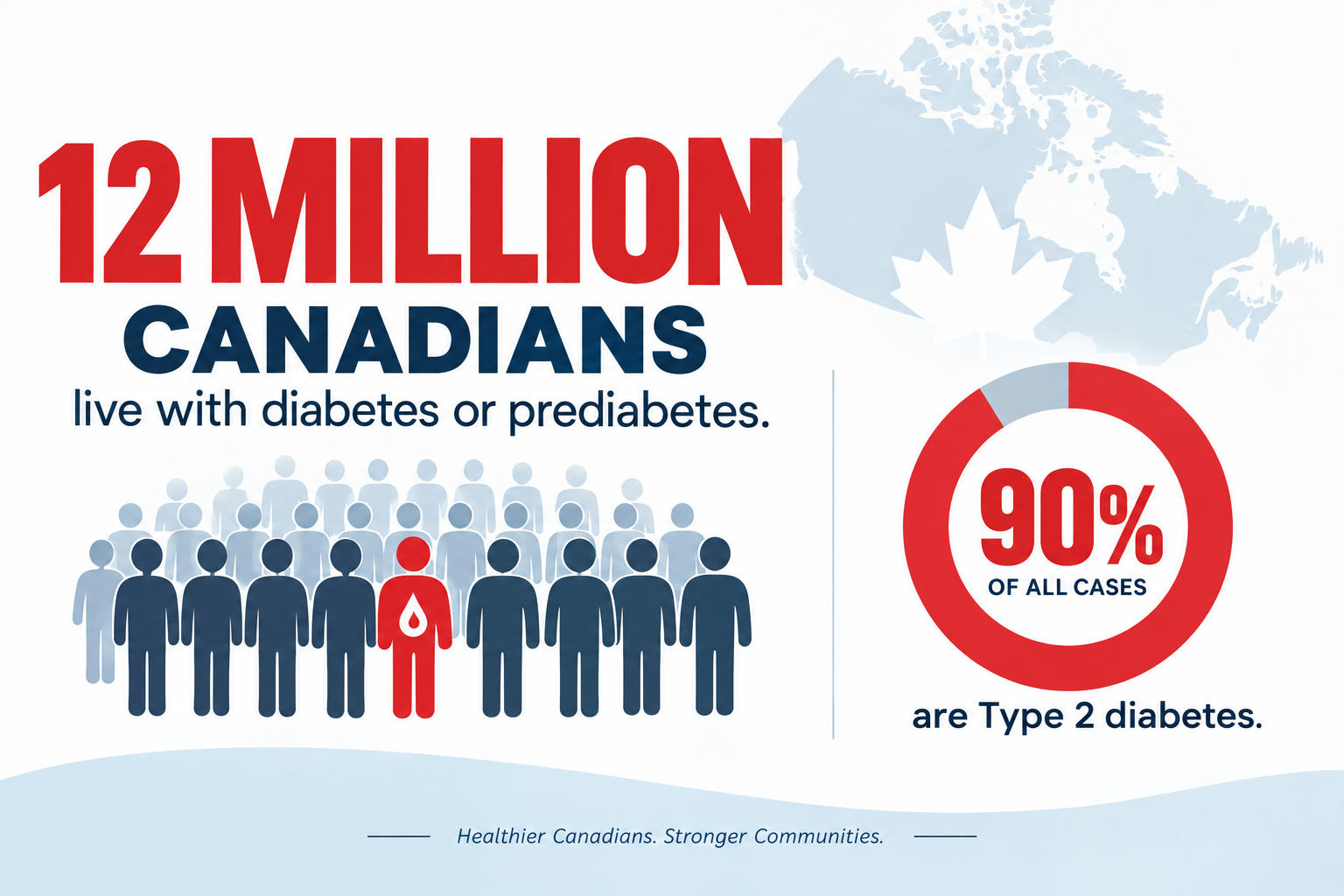
Roughly 12 million Canadians live with diabetes or prediabetes, with Type 2 diabetes accounting for 90% of all cases. According to the Scarborough Health Network, “an estimated 1.2 million people in Ontario have been diagnosed with diabetes, and those numbers are expected to rise.
Diabetes has a strong prevalence in individuals of Asian, South Asian and Caribbean descent.
Diabetes contributes to heart attacks, strokes, end-stage kidney failure cases requiring dialysis, and non-traumatic lower-limb amputations across Canada.
Diabetes is one of the most common chronic health conditions in the world. It occurs when the body has difficulty regulating blood glucose, or blood sugar. Glucose provides energy to our cells, while insulin, a hormone produced by the pancreas, helps move glucose from the bloodstream into those cells.
When the body does not produce enough insulin or cannot use it effectively, blood sugar levels can rise, and over time, consistently high blood sugar can damage blood vessels and nerves and increase the risk of heart disease, kidney problems, vision loss, and other complications.
The encouraging news is that many lifestyle factors can help reduce the risk of Type 2 diabetes and support better blood sugar control. Eating a diet based primarily of whole foods—including vegetables, beans, lentils, whole grains, nuts, seeds, lean proteins, fish, and healthy fats—can support metabolic health.
It is also important to limit sugary drinks, highly processed foods, and refined carbohydrates. Protein and fibre can help promote fullness and may support a healthier blood sugar response after meals.
Regular physical activity is another powerful tool because exercise helps the muscles use glucose for energy and can improve insulin sensitivity. Activities such as walking, cycling, swimming, and resistance training can all contribute to better metabolic health.
Sleep should also be considered an important part of diabetes prevention and management. Poor or insufficient sleep can affect hormones involved in appetite, stress, metabolism, and insulin sensitivity.
Chronic stress may also influence blood sugar regulation and make it more difficult to maintain healthy eating, exercise, and sleep habits. Building healthy routines around sleep, movement, nutrition, and stress management can therefore have benefits that extend well beyond blood sugar.
Possible symptoms of diabetes include increased thirst, frequent urination, increased hunger, unexplained weight loss, fatigue, blurred vision, slow-healing wounds, frequent infections, and tingling or numbness in the hands or feet. However, the absence of symptoms does not necessarily mean blood sugar levels are healthy.
If you have risk factors for diabetes or are concerned about your blood sugar, speak with your healthcare professional about appropriate screening and personalized advice.
Your metabolic health is built one choice at a time—and consistency is more important than perfection. We need to do a better job as a society at tracking the stats and adjusting our behaviours to avoid this life altering condition. In the new world of AI we can do this even better.
This article is for informational purposes only and should not be considered as medical advice.