
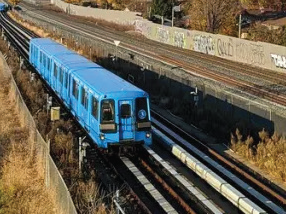
Reimagining the Scarborough RT (Rapid Transit). Finding the right balance for the Scarborough RT’s next chapter.
When the Scarborough RT shut down, it marked the end of an era. For more than forty years, those blue cars carried workers, students, and families through the heart of our community. Now that the line sits quiet, one big question remains: what comes next?
The City of Toronto is studying the future of the RT corridor and plans to report back in 2026. The current direction involves removing most of the elevated track, turning part of it between Kennedy and Ellesmere into a temporary busway, and clearing the rest once the Scarborough Subway Extension is complete.
On paper, this is a practical and safety-driven plan. In reality, it opens the door to a larger conversation about how parts of the structure could be safely and creatively reused.
A team from the Inclusive Economies Institute and the Design Industry Advisory Committee has been exploring that idea. Their “Scarborough Rapid Transit Repurposing Charrette” imagines a connected public space called the Scarborough Spine. In their vision, the old station platforms could become pop-up markets, co-working pods, cultural studios, and urban gardens. The structure could evolve into a continuous pathway for walking, cycling, and creativity—a bridge between people and places.
The RT may have been outdated, but it connected us. It was how students reached class, how workers got to their shifts, and how families moved across the city. Losing it is not just about losing transit; it is about rethinking what connects Scarborough today and who helps shape its future.
At the same time, the area around Scarborough Town Centre is entering a major phase of growth. Property owners and development partners are investing in new housing, retail, and office spaces that will define this part of the city for decades.
The Scarborough Subway Extension will anchor that transformation, bringing higher density, better transit, and new opportunities for business. In this context, preserving the old RT structure at the centre of these plans may not be the most practical choice.
Other sections of the corridor may still offer potential for creative reuse. Areas east of the Town Centre, closer to Midland, Lawrence East, or Ellesmere, could become community spaces, walking paths, or local business hubs. The key is to make reuse and redevelopment work together. We can preserve what adds value to community life while supporting modern growth where it is needed most.
Scarborough has waited a long time for investment and recognition. This moment gives us a chance to lead. With thoughtful planning, the RT corridor can become a symbol of balance—part preservation, part renewal. Whether through reuse or redevelopment, the outcome should reflect what Scarborough truly is today: a growing city within a city, full of creativity, diversity, and ambition.
The Scarborough Business Association will continue to support balanced, forward-looking development that strengthens both the community and the economy. The RT may no longer run, but the path it left behind can still guide us forward, if we plan with purpose and cooperation.
Ryan Somer is President of the Scarborough Business Association